

Understanding Termite Treatment in Florida: Basics and What to Expect
Florida’s warm climate and multiple termite species make termite activity a year-round concern. The right treatment depends on whether the home has drywood, subterranean, Formosan, dampwood, or another termite species, as well as where activity is located and how far it has spread. This guide explains the professional treatment process, common methods, warning signs to watch for, and the questions to ask after a termite inspection.

Understanding Termite Species in Florida
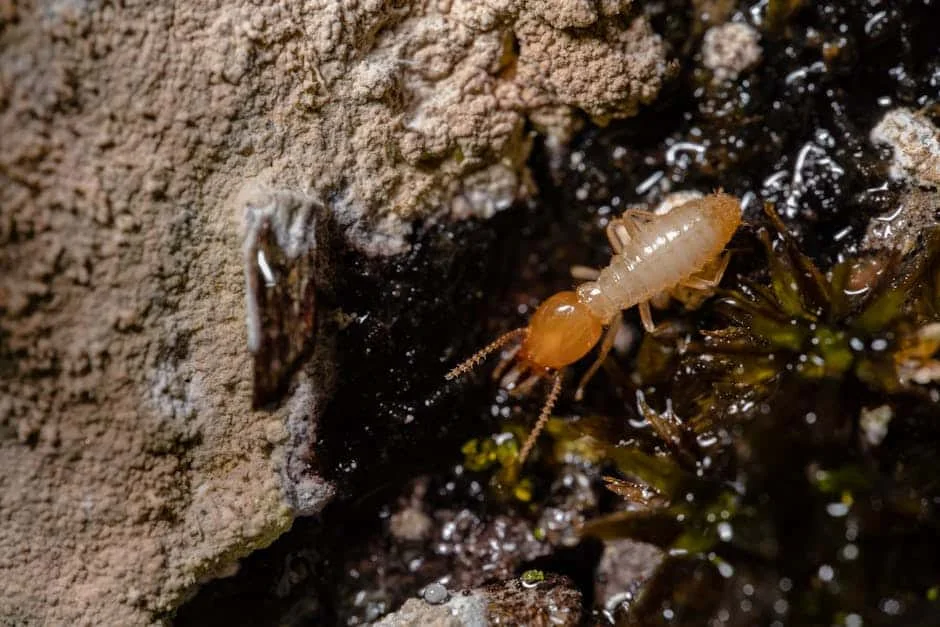
Subterranean termites are the most common species in the United States and are found in every state except Alaska. They live in the soil and build mud tubes to reach wood above ground. Drywood termites, which infest dry wood directly, are also a concern in Florida and often require fumigation for complete elimination. Other species, like Formosan termites (a type of subterranean termite), can also be present. Proper identification by a professional is essential for choosing the right treatment.
How Professional Termite Treatment Works
The termite treatment process typically follows a structured approach that includes inspection, diagnosis, treatment (protection), monitoring, and reporting. This five-step process, commonly used by pest control companies, ensures a thorough and effective response.
Inspection
A comprehensive interior and exterior inspection is the first step. Professionals look for signs such as mud tubes, hollow-sounding wood, and swarms of winged termites. They also check for conducive conditions like moisture problems or wood-to-soil contact.
Diagnosis
After the inspection, the pest control expert identifies the termite species and determines the severity of the infestation. This diagnosis guides the choice of treatment method, whether liquid barriers, baits, or fumigation.
Treatment and Protection
Based on the diagnosis, targeted treatments are applied. These can include liquid soil-applied barriers, bait stations, or fumigation. The goal is to eliminate the existing colony and create a protective barrier around the structure.
Monitoring
Follow-up inspections are scheduled to monitor the effectiveness of the treatment. For bait systems, this involves checking bait stations regularly. For liquid treatments, the barrier is inspected for any breaches or new activity.
Reporting
After the treatment and monitoring phase, a detailed report is provided to the homeowner. This includes what was found, what treatments were applied, and recommendations for ongoing protection and prevention.
Common Termite Treatment Methods
Treatment methods fall into two general categories: liquids and baits. Fumigation is a third method used for specific infestations, particularly drywood termites.
Liquid Soil-Applied Barrier Treatments
The most common technique for treating termite infestations is the soil-applied barrier treatment. Liquid termiticides are applied to the soil around the foundation to create a continuous, non-repellent barrier. Termites that come into contact with the treated soil pick up the pesticide and spread it through the colony. Common active ingredients in conventional termiticides include fipronil, imidacloprid, bifenthrin, and others. These products must be specifically labeled for termite barrier use by the EPA.
Termite Bait Systems
Bait stations are placed in the ground around the property. These stations contain cellulose material treated with a slow-acting poison. Foraging termites carry the poisoned bait back to the nest, where it is shared with other colony members, eventually killing the queen. Bait systems are a longer-term process, often taking weeks to months to fully eliminate a colony. Commercial bait products like Sentricon with Always Active and Termidor are available, though Termidor is also used as a liquid treatment.
Fumigation for Drywood Termites
Whole-structure fumigation is used primarily for widespread or hard-to-reach drywood termite activity. The structure is tented, treated, aerated, and tested before a licensed fumigator authorizes re-entry. Preparation and timing vary by property, so homeowners should follow the fumigator’s written checklist. Review our termite tenting preparation guide and when tenting may be recommended for more detail.
What to Expect During Termite Treatment
Knowing what to expect can help you prepare for a termite treatment appointment. The experience will vary depending on the treatment method used.
Before Treatment: Inspection and Preparation
First, a professional will perform a thorough inspection of your home, both inside and out. For liquid treatments, you may need to clear items away from the foundation and ensure access to crawl spaces. For fumigation, you will need to vacate the home for several days, remove perishable food, and double-bag certain items. Your pest control provider will give specific instructions.
During Treatment Application
For liquid barrier treatments, the technician will trench or rod the soil around the foundation and apply the termiticide. The process usually takes a few hours. For bait systems, stations are installed in the soil, a process that is relatively quick. For fumigation, the entire house is tented, and gas is released. The tent remains in place for 24 to 72 hours, depending on the infestation and gas used. No one can be inside during this time.
After Treatment: Monitoring and Follow-Up
After treatment, the technician will schedule follow-up visits to monitor the situation. For bait systems, stations are checked periodically, and bait is replenished. For liquid barriers, the company may re-inspect the perimeter and check for signs of termite activity. A detailed report of the treatment and recommendations for future prevention should be provided.
Signs of Termite Infestation
Common signs of termites include mud tubes on foundation walls or crawl spaces, hollow-sounding or damaged wood, piles of drywood termite frass, discarded wings, and swarms near windows or doors. Different signs can point to different species, so avoid disturbing the area or applying a surface spray before it is inspected. A licensed professional can identify the termite and determine whether treatment should focus on one location, the soil, or the full structure.
Prevention Tips
Practical termite prevention steps can reduce favorable conditions: correct leaks, improve drainage, keep wood and firewood away from the structure, maintain exterior paint and seals, remove wood debris, and ventilate crawl spaces. Prevention cannot guarantee a termite-free home, so combine maintenance with regular professional inspections to identify new activity early.
DIY vs. Professional Treatment
When termites are suspected, many homeowners consider do-it-yourself remedies. However, DIY methods for termite control rarely work effectively. Over-the-counter sprays and foams may kill a few termites but often miss the colony and can even scatter them, making the infestation worse. Professional treatments are backed by training, specialized equipment, and products that are not available to the public. For a serious structural pest like termites, professional help is almost always necessary to achieve long-term control.
Frequently Asked Questions
How long does termite treatment last?
Liquid soil-applied barrier treatments typically last several years if undisturbed. Baits require ongoing monitoring and replenishment. Fumigation is a one-time elimination of drywood termites, but does not provide ongoing protection against reinfestation. Regular inspections are important for all methods.
Is it safe to stay home during termite treatment?
Whether you can remain home depends on the treatment method. Structural fumigation requires everyone, including pets, to leave until the licensed fumigator completes aeration, testing, and formal clearance. Some localized or exterior treatments may not require an overnight absence, but you should follow the product-specific and property-specific instructions provided by the technician.
What should I do if I find termites in my home?
Do not disturb the termites or mud tubes. Avoid using any over-the-counter sprays, as they can cause termites to scatter and make treatment more difficult. Contact a licensed pest control professional immediately for an inspection. The sooner the infestation is identified, the more options you have for effective treatment.
Can termite treatment damage my property?
When performed by a trained professional, termite treatments are safe for your property. Liquid termiticides are applied to soil or injected into wood, not sprayed indiscriminately. Fumigation uses a gas that leaves no residue. Bait stations are placed in the ground and do not harm the structure. Always follow the preparator’s instructions to ensure safety and effectiveness.
Understanding the basics of termite treatment and knowing what to expect can give you confidence in addressing an infestation. From identifying the type of termite to choosing the right treatment method and preparing your home, working with a qualified pest control professional is the best path to protecting your property.
Not sure which treatment fits the activity in your home? Call (305) 794-5103 to schedule a free termite inspection with My Son & I Pest Control.


