

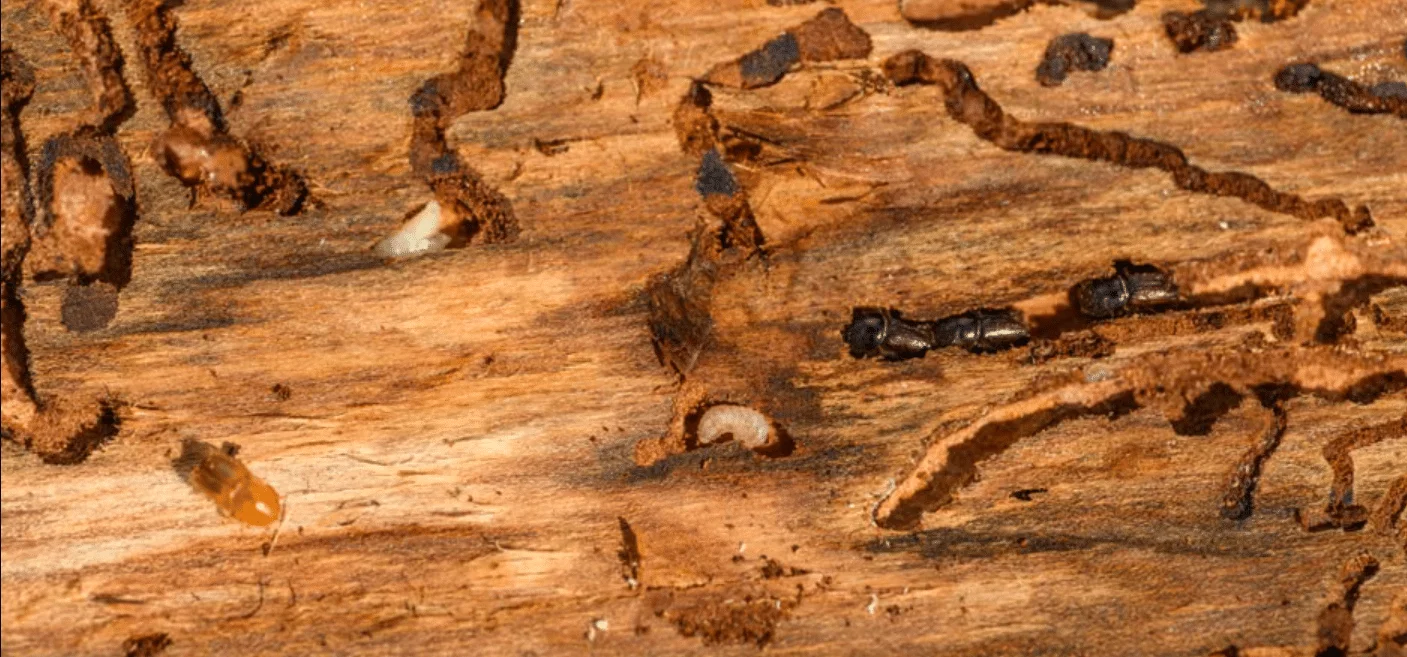
Why Annual Termite Inspections Matter in Florida

Florida homeowners face a persistent threat that is often overlooked until it is too late. Termites cause more damage to structures in Florida than fires, floods, and storms combined, according to the Florida Department of Agriculture and Consumer Services. Despite the severity of the risk, many residents delay scheduling regular termite inspections until they notice visible signs of a termite infestation. By that point, significant structural damage may already have been done. Annual termite inspections are a straightforward, low-cost step that can save thousands of dollars in repairs and preserve the value of one of your most important assets.
The High Cost of Termite Damage in Florida
Termite treatment and structural repairs can become costly when an infestation remains hidden for a long time. Florida’s warm, humid climate and multiple termite species support activity throughout much of the year. Standard homeowners insurance often excludes damage caused by insects or gradual maintenance problems, although coverage varies by policy. An annual inspection is one of the most practical ways to identify activity early, before the treatment and repair scope grows.
Types of Termites in Florida
Understanding the types of termites active in Florida helps homeowners appreciate why inspections must be thorough. Florida homes may encounter dampwood, drywood, subterranean, Formosan, and conehead termites. Each has different habits, nesting locations, warning signs, and treatment requirements.
Subterranean Termites
Subterranean termites are the most destructive type in Florida. They live underground and build mud tubes to access wood structures above the foundation. These tubes protect them from the open air and provide a pathway to food sources. Subterranean colonies can contain millions of termites, and they consume wood 24 hours a day. Because they remain hidden in the soil and within walls, infestations often go unnoticed until significant damage has occurred. Annual inspections by a licensed professional include checking for mud tubes, damaged wood, and other signs of subterranean activity.
Drywood Termites
Drywood termites do not require contact with soil. They infest dry, sound wood in attics, wall voids, and furniture. Their presence is often identified by small piles of pellet-shaped droppings called frass. Drywood termites are common in older bungalow neighborhoods and new construction alike across South Florida, Tampa Bay, and Central Florida. Because they colonize within the wood itself, traditional liquid treatments are ineffective; structural tent fumigation may be recommended when drywood termites are widespread throughout a home. An annual inspection can detect drywood termites before they spread throughout the home.
Conehead Termites
The conehead termite is a new invasive type in Florida that builds above-ground nests. It has a localized infestation in the Dania Beach and Pompano Beach areas. Unlike other termites, conehead termites move quickly and can infest structures in a short period. Early detection through routine inspections is critical in preventing the spread of this invasive species.
Dampwood Termites
Dampwood termites, as their name suggests, infest wood with high moisture content, such as rotting lumber or wood in contact with the ground. They are less common in well-maintained homes but can become a problem in crawl spaces and basements where moisture accumulates. Inspections typically include evaluating moisture conditions that attract dampwood and subterranean termites.
What a Professional Termite Inspection Entails
A comprehensive termite inspection covers the structure inside and outside. A licensed inspector may examine the foundation, crawl spaces, attic, exterior walls, baseboards, cabinets, and utility areas for mud tubes, frass, damaged wood, discarded wings, moisture problems, and other signs of activity. The time required depends on the size and construction of the property and the areas that are accessible. My Son & I Pest Control offers free termite inspections throughout South Florida, Tampa Bay, and Central Florida, and homeowners are encouraged to be present so they can ask questions and review any findings.
Because termite damage can be hidden behind walls, under flooring, or in attics, a professional inspector uses specialized tools such as moisture meters, sounding probes, and sometimes thermal imaging. Annual inspections ensure that any changes from one year to the next are documented, giving homeowners peace of mind and a clear picture of their property’s condition.
Why Annual Inspections Are Critical for Home Sales
A termite or wood-destroying organism inspection may be requested during a Florida home sale, depending on the buyer, lender, loan program, contract, and property history. A recent inspection record can help answer questions about past activity, current findings, and completed treatment before they become last-minute issues. Requirements vary, so buyers and sellers should confirm what their contract and lender require rather than assuming every transaction follows the same process.
Treatment Options Based on Inspection Findings
If an inspection reveals termite activity, the recommended termite treatment depends on the species, location, and extent of the infestation. Widespread drywood termite activity may call for whole-structure fumigation, while a truly isolated area may qualify for a localized treatment. Subterranean termites are commonly addressed with baiting systems or liquid soil treatments. Ask the provider to explain the treatment scope, preparation requirements, warranty terms, renewal requirements, and what happens if activity returns.
It is important to note that free re-treatment is often offered while an annual renewal warranty is active. Annual inspections are typically a condition of maintaining these warranties. Skipping an inspection could void the warranty and leave the homeowner responsible for future damage and treatments.
Regulation and Licensing in Florida
The Florida Department of Agriculture and Consumer Services (FDACS) regulates and licenses Florida’s pest control industry. Licensed pest control operators must follow strict standards for inspection, treatment, and safety. When scheduling an annual termite inspection, homeowners should verify that the company holds a valid FDACS license. This ensures that the inspector has the required training and that any treatments applied comply with state regulations. Using an unlicensed individual or company can result in improper inspections, inadequate treatments, and potential legal liability.
How to Choose a Termite Inspection Provider
Many pest control companies provide free termite inspections. When selecting a provider, consider the following factors:
- Licensing: Confirm the company is registered with FDACS and has a current pest control license.
- Experience: Look for companies with a track record of handling termite issues specific to your region of Florida.
- Services offered: Ensure the provider offers treatment for the type of termite common in your area, whether drywood, subterranean, or conehead.
- Guarantees: Ask about re-treatment and repair guarantees, including coverage limits and duration.
- In-house crews: Some companies use subcontractors for inspections and treatments. In-house crews provide consistent quality and accountability.

Conclusion: The Value of an Annual Termite Inspection
With termites causing more damage in Florida than fires, floods, and storms combined, and with termite damage often excluded from standard homeowners insurance, combining termite prevention with an annual inspection is one of the smartest steps a homeowner can take. The inspection itself is often free, and early detection can prevent the need for expensive structural repairs. Whether you live in a coastal waterfront property, an older bungalow neighborhood, or new construction, the subtropical Florida climate means termite activity is a year-round concern. Scheduling an annual termite inspection with a licensed professional gives you the information you need to protect your home and your family’s financial security.
Frequently Asked Questions
How often should I get a termite inspection in Florida?
An annual termite inspection is recommended for all Florida homeowners. Because termite activity is continuous in the warm, humid climate, a yearly checkup ensures that any new colonies or damage are caught early. Some lenders or warranty programs may require inspections at specific intervals, so it is wise to check your mortgage or warranty documents as well.
Are termite inspections free in Florida?
Yes, many pest control companies in Florida offer free termite inspections. These inspections are typically thorough, covering foundations, attics, crawl spaces, and interior areas. Homeowners can schedule a free inspection at any time, not just when a problem is suspected. Keep in mind that free inspections may be part of a service quote, but they provide valuable baseline information.
Does homeowners’ insurance cover termite damage in Florida?
Standard homeowners insurance policies often exclude termite damage because it is generally treated as a maintenance-related or gradual problem. Coverage and exclusions vary, so review your policy or ask your insurer about your specific situation. Regular inspections and prompt treatment can reduce the chance that hidden activity develops into a larger out-of-pocket repair.
What happens if termites are found during an inspection?
If an inspection finds active termites, the licensed professional will recommend a treatment plan based on the species and severity. Options include tent fumigation for drywood termites, baiting or liquid treatments for subterranean termites, and spot treatments for localized infestations. Many companies offer free re-treatment if termites return within the warranty period.
Can I do my own termite inspection?
While homeowners can look for visible signs like mud tubes, frass, and damaged wood, a professional inspection is recommended because termites often hide in areas that are not easily accessible. Licensed inspectors have the training and tools to detect hidden infestations. Annual professional inspections provide a documented record that can be important for home sales and warranty compliance.
Ready to establish a baseline for your home? Call (305) 794-5103 to schedule a free termite inspection with My Son & I Pest Control.


