

Florida Termites – Risks Every Florida Homeowner Should Know

Florida is home to 20 established termite species, more than most other states in the country. These insects cause more structural damage to Florida buildings than fires, floods, and storms combined. For homeowners across South Florida, Tampa Bay, and Central Florida, understanding the specific termite threats in the region is the first step toward protecting one of your largest investments.
Homeowners insurance in Florida does not cover termite damage. That fact alone makes proactive identification and treatment essential. Knowing which termite species pose the greatest risk, when they are most active, and what signs to look for can help you catch an infestation before serious structural harm occurs.
The Four Main Types of Termites in Florida
Florida has four known types of termites that homeowners may encounter: dampwood, drywood, subterranean, and conehead. Each type has distinct habits, preferred habitats, and warning signs. Proper species identification is critical before selecting treatment options.
Subterranean Termites
Eastern subterranean termites are the most common termite species in Florida. They live in colonies underground and build mud tubes to reach wood above the soil line. Subterranean termites are also the most destructive type of termite in the state. Their colonies can contain hundreds of thousands of individuals, and they continuously forage for new food sources. The Formosan subterranean termite is an invasive species that is even more aggressive than the native Eastern variety. Formosan termites cost American homeowners an estimated $1 billion annually in damage and control.
Drywood Termites
Drywood termites do not need contact with soil. They infest dry, sound wood directly, often entering homes through attic vents, gaps around windows, or other small openings. A key sign of drywood termite activity is frass, which are small, pellet-shaped droppings that accumulate beneath infested wood. These termites can establish colonies inside furniture, baseboards, and structural framing. Because they live entirely within the wood they consume, drywood termite infestations can go unnoticed for years.
Dampwood Termites
Dampwood termites require moist, decaying wood to survive. They are typically found in wood that has been in contact with the ground or has been damaged by water leaks. While they are less common inside well-maintained homes, properties with moisture issues, leaky pipes, or poor drainage can attract these termites. Dampwood termites are larger than other species and tend to be less aggressive about invading dry, sound wood.
Conehead Termites
Conehead termites are an invasive species that was introduced to Florida. They currently have localized infestations in the Dania Beach and Pompano Beach areas. Unlike most subterranean termites, conehead termites build above-ground nests and are arboreal, meaning they can infest trees and structures alike. Because they are aggressive and can spread quickly, the Florida Department of Agriculture and Consumer Services monitors these infestations closely. Homeowners in the affected areas should be especially vigilant.
Why Florida Homes Are at High Risk
Florida’s warm, humid climate creates ideal conditions for termite activity year-round. The state’s proximity to coastal areas, combined with frequent rainfall and high temperatures, allows termite colonies to thrive. Older bungalow neighborhoods, new construction, and waterfront properties all face termite pressure. The mix of common native species and aggressive invasive species means that no region of the state is immune.
Termites cause more damage to structures in Florida than fires, floods, and storms combined. This statistic underscores the importance of regular inspections and preventative measures. Since termite damage is not covered by homeowners insurance in Florida, the financial burden of repairs falls entirely on the homeowner. A single untreated infestation can lead to thousands of dollars in structural repairs.
Signs of Termite Infestation
Recognizing the early signs of termite activity can mean the difference between a minor repair and major structural damage. There are four primary signs that Florida homeowners should watch for.
- Mud tubes. Subterranean termites build pencil-sized tunnels of mud along foundation walls, floor joists, or other surfaces. These tubes protect the termites as they travel from their underground colony to their food source.
- Frass. Drywood termites produce small, six-sided pellets that resemble sawdust or salt and pepper. Frass often accumulates in small piles beneath infested wood or near windowsills and door frames.
- Shed wings. Reproductive termites, called swarmers, leave their colony to mate and start new colonies. They shed their wings after flying. Finding piles of identical wings near windows, doors, or light fixtures is a strong indicator of an active infestation nearby.
- Damaged wood. Wood that sounds hollow when tapped, blisters on painted surfaces, or wood that crumbles easily can all indicate termite damage. Subterranean termites eat wood along the grain, leaving a honeycomb pattern, while drywood termites create smooth galleries across the grain.
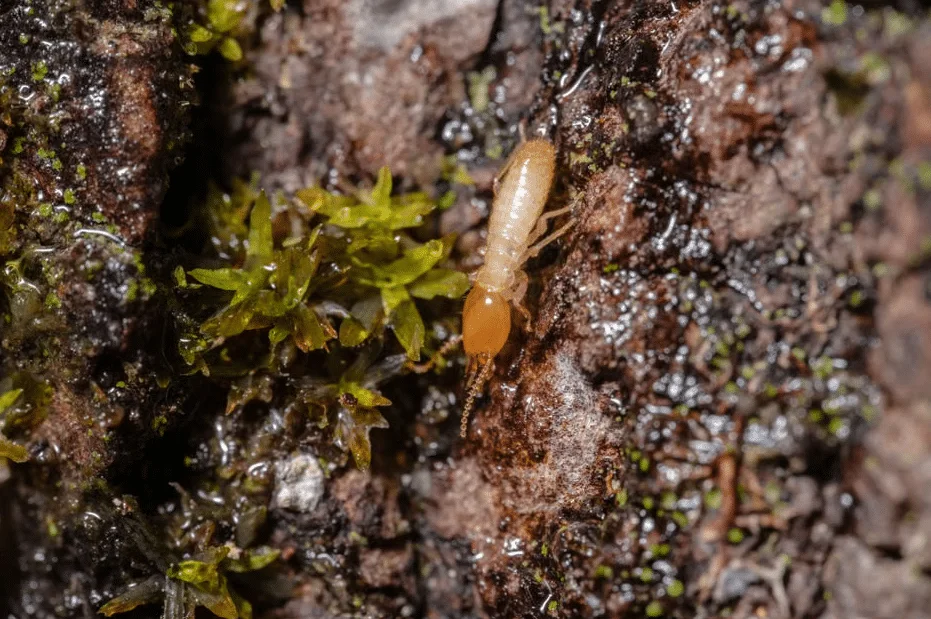
Termites vary in size but are usually no larger than half an inch and range in color from off-white to brown. If you suspect an infestation, the University of Florida’s Institute of Food and Agricultural Sciences offers termite identification services to the public, which can help confirm the species before treatment begins.

When Termites Are Most Active in Florida
Termite activity in Florida is highest in the spring months when swarming occurs. Swarming is the reproductive phase when winged termites leave their colonies to find mates and establish new colonies. Different species swarm at different times, but spring typically sees the highest concentration of swarming activity across the state.
Warm, humid evenings after a rain shower are prime conditions for termite swarms. Homeowners may notice large numbers of winged insects gathering around windows, doors, or light sources. A swarm does not always mean the house is infested, but it is a strong warning that termites are active in the area and that the home should be inspected.
While spring is the peak season, Florida’s mild winters mean that termites can remain active year-round. Homes should be monitored throughout the year, especially in coastal areas where moisture levels remain high.
The Cost of Termite Damage
The financial impact of termites in Florida is significant. While exact statewide damage figures are not available in public records, the national cost of Formosan subterranean termite damage and control alone is estimated at $1 billion annually. Florida is one of the states most affected by this invasive species.
Because homeowners insurance does not cover termite damage, the full cost of repairs must be paid out of pocket. Structural repairs can include replacing damaged framing, repairing floors and ceilings, and addressing foundational issues. Early detection through regular inspections is the most effective way to minimize these costs.
Treatment costs vary depending on the termite species, the size of the infestation, and the type of structure involved. A thorough inspection by a qualified pest control professional can provide an accurate assessment and a treatment plan tailored to the specific species present.
Frequently Asked Questions
How many termite species are there in Florida?
There are 20 termite species established in Florida. Of these, four main types are commonly encountered by homeowners: dampwood, drywood, subterranean, and conehead termites. Six of the 20 species are considered invasive, including the aggressive Formosan subterranean termite and the conehead termite.
Does homeowners insurance cover termite damage in Florida?
No, homeowners insurance in Florida does not cover termite damage. The Florida Department of Agriculture and Consumer Services confirms that termite damage is excluded from standard homeowners policies. The full cost of repairs and treatment falls on the homeowner, which makes prevention and early detection especially important.
What are the most destructive termites in Florida?
Subterranean termites are the most destructive type of termite in Florida. The Eastern subterranean termite is the most common species, while the invasive Formosan subterranean termite is even more aggressive and causes an estimated $1 billion in damage and control costs nationwide each year.
When should I look for termite activity in Florida?
Termite activity is highest in the spring months when swarming occurs. Swarms often happen on warm, humid evenings after rain. However, because Florida has mild winters, termites can remain active throughout the year. Regular inspections are recommended regardless of the season.
What should I do if I find signs of termites?
If you find mud tubes, frass, shed wings, or damaged wood, contact a licensed pest control professional for an inspection. The University of Florida IFAS also offers termite identification services to the public. Proper species identification is critical before any treatment can be selected, so a professional assessment is essential.

