

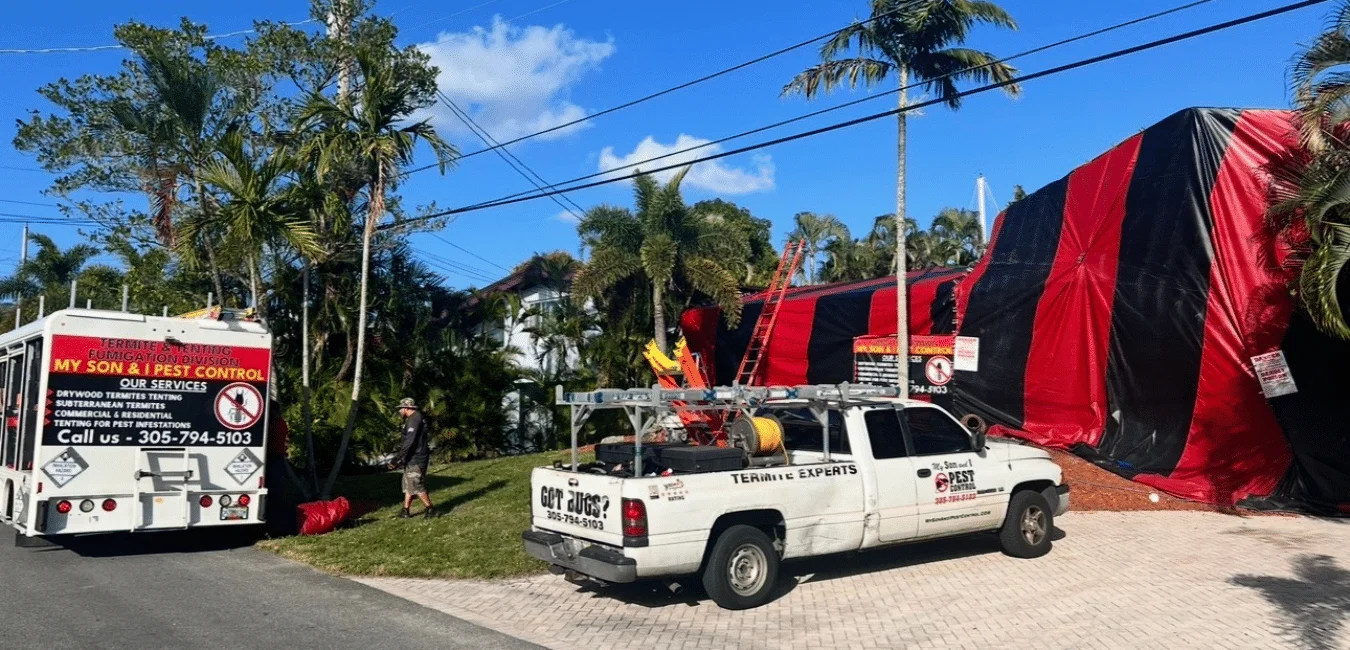
Termite Tenting Basics: What to Expect and How to Prepare
If you have discovered drywood termites in your home, tenting (also called structural fumigation) is one of the most effective ways to eliminate the infestation. The process involves covering the entire home with a sealed tent and introducing a gas (typically Vikane) that penetrates deep into the wood. While professional fumigators handle the dangerous parts, homeowners have a set of critical preparation tasks to ensure safety and effectiveness. This article walks through the step-by-step preparation, the treatment and aeration schedule, and what to expect when you return. If you are still evaluating the recommendation, review when termite tenting may be appropriate before making a decision.

What Is Termite Tenting and How Long Does It Take?
Termite tenting is a whole-structure treatment used primarily for drywood termites. A licensed fumigator seals the building with a tent and introduces a fumigant gas that can move through cracks, crevices, and wood where termites may be hidden. The structure is then aerated and tested before it is cleared for re-entry. Homeowners commonly plan to be away for two to three days, but the exact timeline depends on the property, weather, treatment plan, and clearance testing. Review the FDACS structural fumigation information and follow the schedule provided by your licensed fumigator.
Schedule Your Free Termite Inspection!
Preparing Your Home for Termite Tenting
Proper preparation protects your belongings and helps the fumigant circulate effectively. Below are the essential steps organized by category. Always follow the preparation checklist provided for your property. Florida homeowners can also review the FDACS Structural Fumigation FAQ for state-specific consumer and safety information.
Food, Medicine, and Tobacco
Items sealed in glass or metal containers with the original manufacturer’s airtight seal can remain in the home during fumigation. This includes canned goods, bottled beverages, and unopened jars. However, dry goods packaged in bags or cardboard boxes, even if unopened, must be removed or double-bagged in special nylon bags that are impermeable to the fumigant. All medicines and tobacco products should be removed from the structure or sealed in the same approved nylon bags. Your fumigation company will provide the proper bags and instructions.
Plants and Pets
All pets must be removed from the home for the duration of the fumigation and until the fumigator clears the structure. Indoor plants and any outdoor plants that will be covered by the tent must also be removed. Move potted plants away from the immediate area. Some sources advise watering the soil around the perimeter about six inches deep the day before treatment to protect plant roots and reduce gas leakage, and the Vikane preparation guide recommends watering soil up to 18 inches from the outer walls.
Furnishings, Mattresses, and Appliances
Mattresses sealed in plastic waterproof covers may need to be removed or have the covers opened so the fumigant can dissipate properly. Waterproof mattress and pillow covers without built-in air vents should be unzipped or removed as directed. Open interior doors, cabinets, closets, and drawers, and raise blinds so the fumigant can circulate. Your fumigator will provide property-specific instructions for appliances, electronics, refrigerators, and heat sources. Follow that checklist exactly rather than relying on a general online list.
Utilities and External Fixtures
Pilot lights must be extinguished, and the gas service turned off at the meter before fumigation. Schedule this shut-off at least 48 hours in advance; some areas require three to five days’ notice. Trim shrubbery around the house so the tent can be placed tightly against the structure. Remove or retract external fixtures such as antennae, weathervanes, and awnings. The gas company will handle the shut-off on the day before fumigation. Your fumigator will confirm that all heat sources are off.
Clothes, Fabrics, and Aquariums
Clothing and fabrics generally can remain in the home, but waterproof or sealed coverings may need to be opened or removed so they can aerate. Aquariums, fish, and other pets must be removed from the structure before fumigation. Your licensed fumigator’s preparation checklist is the controlling guidance for your home, so ask questions before fumigation day if any item is unclear.
The Fumigation and Aeration Process
After preparation is complete, the fumigation team seals the home and applies the fumigant according to the treatment plan. No one may enter during treatment or aeration. The crew then ventilates the structure and tests the air before authorizing re-entry. Sulfuryl fluoride is a restricted-use pesticide, so it must be applied by a certified applicator or someone under that applicator’s direct supervision, as explained by the U.S. Environmental Protection Agency. Do not re-enter based on an estimated time alone; wait for formal clearance from the fumigator.
Returning to Your Home After Fumigation
Only the fumigator can declare the home safe for re-entry. The crew will secure the property during treatment and explain how keys and access will be handled. Once formal clearance is given, you can return pets, plants, and properly handled food items to the home. Follow the fumigator’s written instructions for opening protective bags, restoring appliances and utilities, replacing mattress covers, and any cleaning or ventilation steps recommended for your property.
Fumigation targets the existing termite infestation but does not create a lasting barrier against future activity. After treatment, combine practical termite prevention steps with annual termite inspections so new activity can be identified early.
Frequently Asked Questions About Termite Tenting
Can I stay in my home during termite tenting?
No. Everyone, including pets, must leave before fumigation begins and remain out until the licensed fumigator tests the structure and provides formal clearance. The duration varies by treatment plan and site conditions, so use the schedule provided for your property rather than a general online estimate.
Do I need to remove all food from the house before termite tenting?
Not all food must be removed. Items in glass or metal containers with original airtight seals can stay. But dry goods in bags or cardboard boxes, even unopened, must be taken out or double-bagged in special nylon bags provided by your fumigator. Medicines and tobacco products also require removal or sealing.
What happens to my electronics and appliances during fumigation?
Your fumigator will provide exact instructions for heat sources, electronics, appliances, and the refrigerator. Follow that property-specific checklist. You may also be directed to open interior doors, cabinets, closets, and drawers so the fumigant can circulate and dissipate as intended.
How do I prepare the outside of my home?
Trim or move landscaping as directed so the tent can be installed securely, and remove or retract fixtures that could interfere with placement. Your fumigator will explain whether soil watering, gas shutoff, utility access, gates, or exterior clearances are required and when each task must be completed.
Will I need to clean my home after fumigation?
Follow the written re-entry and cleaning instructions from your fumigator. The steps can depend on the fumigant label, preparation choices, and the materials in the home. Ask before treatment if you have concerns about food, bedding, clothing, mattresses, children’s items, or other belongings.
Need help confirming whether tenting is the right treatment? Call (305) 794-5103 to schedule a free termite inspection with My Son & I Pest Control.


